
How Temperature Monitoring Saves Lives (and Money) in the Cold Chain
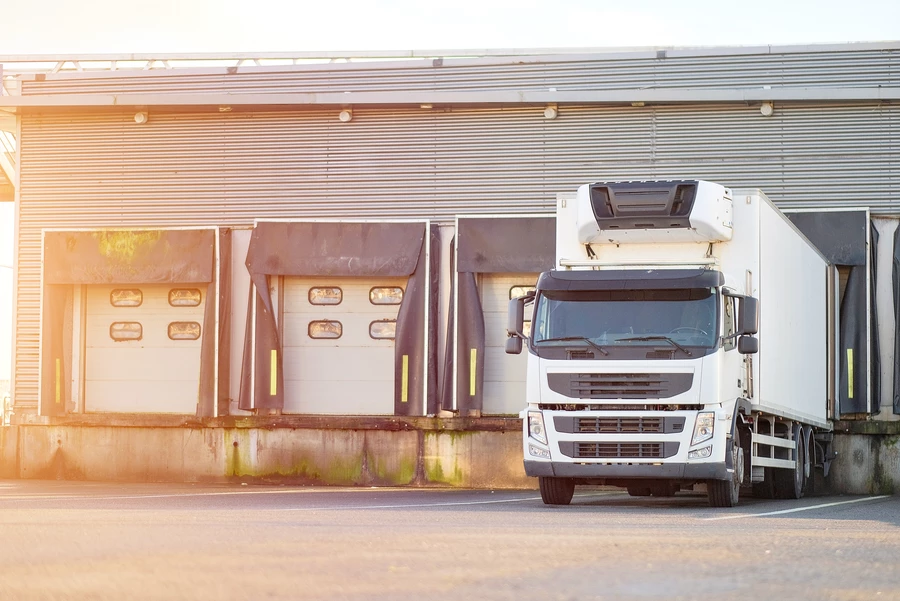
In today’s global supply chain, millions of temperature-sensitive products — from vaccines and medications to seafood and dairy — depend on one thing: maintaining the right temperature range from start to finish. This is what’s known as the cold chain, and without proper temperature control, even the most advanced storage systems can fail.
Fortunately, modern data logger technology has made it possible to track, record, and verify temperatures with precision, protecting both people and profits.
Why Temperature Monitoring Matters
In the cold chain, a few degrees can mean the difference between safety and spoilage. Vaccines lose potency, seafood spoils, and lab samples become useless when they drift outside their optimal temperature range. That’s why companies now rely on temperature monitoring tools that provide real-time data — clear, immediate visibility into every phase of storage and transportation.
By integrating wireless data loggers, companies can view temperature conditions across facilities, vehicles, and containers at a glance. If a shipment begins to warm, alerts are sent instantly, allowing staff to take corrective action before the product is compromised.
How Data Loggers Keep the Cold Chain Safe
A data logger acts like a small but powerful watchdog for your products. It continuously records temperature (and sometimes humidity) at pre-set intervals, creating a detailed record of every shipment’s journey.
Different types of loggers serve different needs:
- A dry ice data logger handles ultra-low temperatures for vaccines and biologics.
- A high-temperature data logger monitors sterilization and autoclave processes.
- A humidity data logger ensures moisture levels remain stable for items like pharmaceuticals, flowers, and food products.
Because they’re compact and durable, these loggers can be placed directly inside containers or packaging to capture the most accurate readings possible.
The Power of Real-Time Data
Traditional cold chain tracking depended on manual checks and after-the-fact reports. Today, real time data from wireless data loggers gives teams instant insight. This means problems can be prevented — not just discovered later.
For example, if a refrigerated truck’s cooling system fails mid-route, an immediate alert allows the driver to act before the load is lost. That not only saves money but also prevents unsafe products from ever reaching consumers.
Saving Lives, Protecting Investments
For industries that depend on temperature control, accuracy isn’t just a convenience — it’s a responsibility. Reliable monitoring ensures vaccines protect patients, food remains safe, and sensitive research samples retain their integrity. At the same time, automated tracking cuts waste, reduces claims, and improves compliance across the supply chain.
From the first mile to the last, data loggers are silent heroes of the cold chain, delivering confidence, accountability, and safety — every single degree of the way.
The Hidden Cost of Poor Temperature Control
When the cold chain breaks, the consequences are bigger than a single spoiled shipment. A temperature deviation can result in entire batches of vaccines being discarded or food products recalled — both of which lead to major financial losses. Even worse, these failures can endanger lives if compromised medicines or perishable goods make it to consumers.
Investing in proper temperature monitoring systems with data loggers prevents these disasters. By catching irregularities early, companies avoid waste, protect their brand reputation, and meet regulatory standards. Over time, that reliability saves millions in operational costs and potential fines.
The Role of Compliance and Documentation
Cold chain industries are subject to strict regulations. From FDA requirements for pharmaceuticals to international food safety standards, companies must prove that their temperature sensitive goods stayed within range during storage and transportation.
Here’s where data acquisition systems shine. Each temperature logger automatically creates a verifiable record of every data point throughout the journey. This recorded data serves as proof of compliance and builds customer trust. Modern loggers also produce PDF or CSV reports that are tamper-proof and audit-ready — simplifying documentation for inspections or insurance claims.
Choosing the Right Logger for the Job
Not all data loggers are the same. Selecting the right one depends on your application:
- Wireless data loggers: Ideal for live monitoring in warehouses, trucks, or refrigerated facilities.
- Dry ice data loggers: Essential for cryogenic shipments or biological samples that require temperatures below -80°C.
- Humidity data loggers: Perfect for maintaining moisture balance in pharmaceuticals, cosmetics, or floral products.
- High temperature data loggers: Designed for sterilization cycles, autoclaves, and other heat-based processes.
Each device helps maintain precise temperature control within its defined temperature range, ensuring the cold chain stays intact.
Building a Resilient Cold Chain for the Future
As global logistics become more complex, maintaining reliability across the supply chain is no longer optional — it’s vital. Integrating data loggers with cloud-based platforms and IoT-enabled real time data systems allows businesses to monitor performance at every step, from manufacturing plants to retail shelves.
This digital transformation means fewer product losses, better quality assurance, and greater transparency for customers. The result is a safer, more efficient, and more sustainable cold chain — one that saves lives and strengthens trust in every delivery.
Final Thought:
Behind every successful temperature sensitive shipment is a small, precise device quietly doing its job. From the deep freeze of dry ice to the warmth of sterilization chambers, data loggers make sure temperature, humidity, and quality stay exactly where they should be—protecting people, products, and profits every step of the way.


