
Data Loggers vs. Traditional Thermometers: The Monitoring Revolution
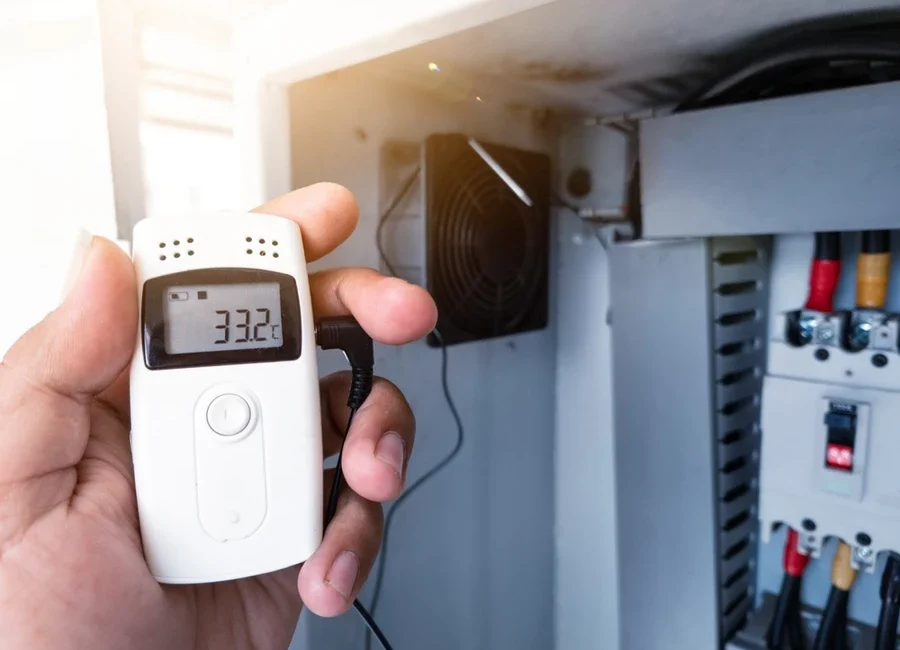
Data loggers provide continuous temperature data monitoring and stronger support for compliance than traditional thermometers. Let’s find out how modern monitoring tools protect temperature-sensitive products in complex supply chains.
In this article, you’ll learn:
- How traditional thermometers differ from data loggers in accuracy and reliability
- Why continuous temperature monitoring matters for compliance and quality assurance
- How data loggers reduce risk by capturing complete temperature histories
- Where wireless data loggers add value in modern storage and transportation environments
- Why industries handling sensitive goods are shifting away from manual temperature checks
Data loggers monitor temperatures in industries where product safety and quality matter most. Key examples include pharmaceutical companies, healthcare providers, food distributors, and cold chain operators. These organizations all need accurate temperature data to protect sensitive goods and meet regulatory requirements.
In the past, traditional thermometers often monitored temperatures. They provided a simple snapshot of temperature at a given time. While this worked in less complex supply chains, it doesn’t fit modern logistics.
Today’s temperature-sensitive shipments move through multiple locations, across long distances, and under strict regulations. This means you need continuous monitoring, reliable records, and faster responses when temperatures move outside acceptable ranges.
Many organizations have started switching over to more advanced monitoring solutions like data loggers. These newer tools provide better visibility and control throughout the supply chain.
Traditional Thermometers: The Legacy Approach
For decades, traditional thermometers monitored temperatures in storage areas or while transporting goods. These devices show the current temperature when checked, making them useful for basic, on-the-spot readings.
Classic thermometers stand out for their availability and ease of use. They’re simply to read, require little training to use. For environments with limited monitoring needs, they can still serve a purpose on their own.
However, traditional thermometers have clear limitations. They record temperatures manually, so changes between checks can go unnoticed. There’s no temperature history unless team members record it. This can increase the risk of errors and make it harder to prove compliance during audits.
As supply chains and regulations become more complex, these gaps are harder to ignore. Many organizations now require reliable, continuous temperature monitoring that traditional thermometers can’t provide.
What Is a Data Logger?
A data logger automatically records temperature data over time. This stands in contrast to traditional thermometers that only tell the temperature exactly when it’s taken.
Loggers use built-in sensors to track temperature at set intervals. They time-stamp and store each reading, creating a complete record of environmental conditions. This allows users to review what happened at any point during a shipment or storage period.
Many data loggers also generate automated reports, often in easy-to-share formats like PDF and CSV files. This simplifies documentation and supports regulatory compliance. In environments requiring exact temperature control, having a reliable data record drives faster decision-making.
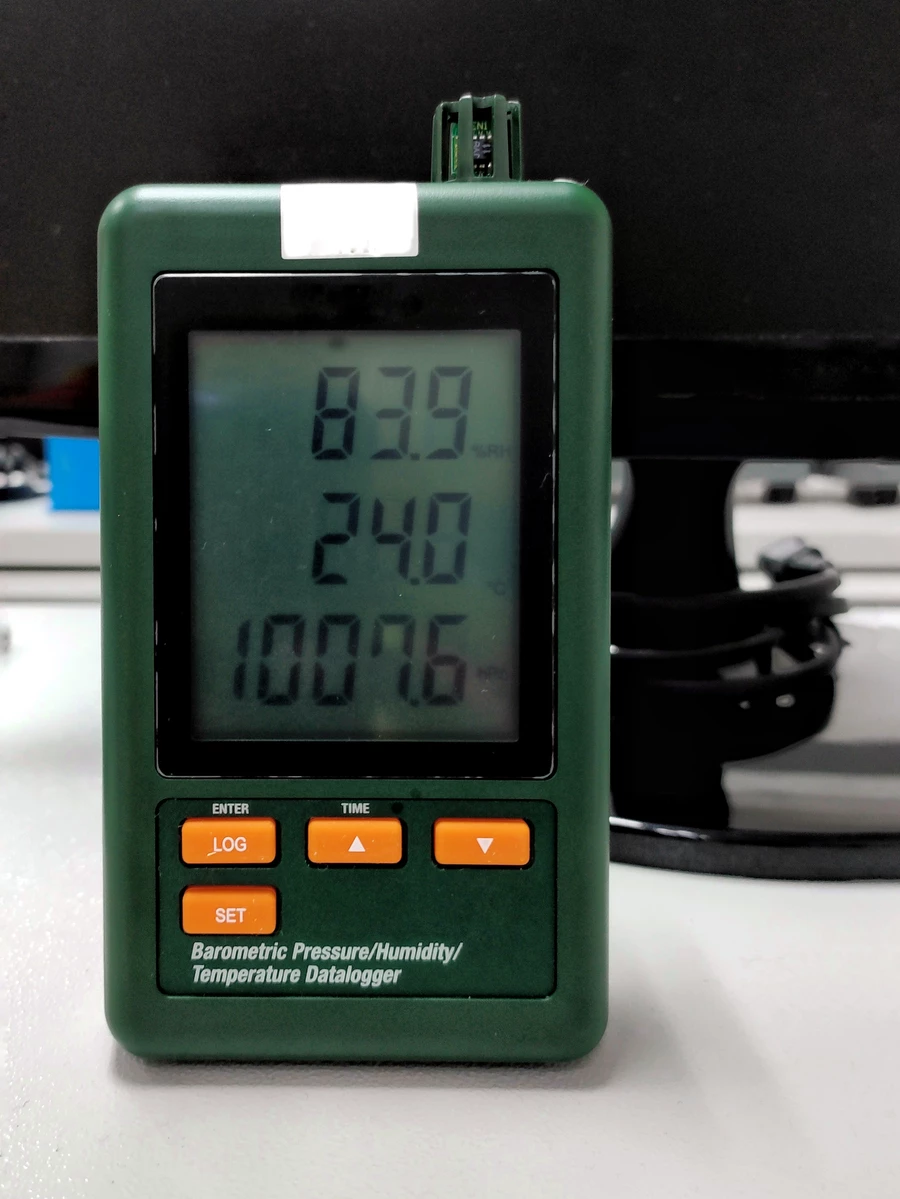
Data Loggers vs. Traditional Thermometers: Key Differences
Thermometers only tell you the temperature at a given moment. Data loggers let you record temperature over time for a more complete picture.
Accuracy and Consistency
Classic thermometers can’t monitor or record changes that take place between readings. Data loggers remove this gap by automatically collecting data at set intervals. This improves consistency by ensuring you don’t miss temperature fluctuations.
Data and Documentation
Traditional thermometers rely on manual record-keeping. That can lead to incomplete logs or errors. Data loggers store readings digitally and create reliable, automated temperature records. This makes audits simpler and helps users stay compliant.
Alerts and Risk Prevention
Thermometers that track temperature manually can’t alert the teams using them. This means they often only discover issues after damage is done. Data loggers, especially advanced models, help users identify problems sooner. Alerts allow quicker corrective action and better product protection.
Environmental Flexibility
Shipments that need high-temp, frozen, or dry-ice storage are hard to track with basic thermometers. Meanwhile, devices like dry ice data loggers operate accurately under extreme conditions that thermometers can’t handle.
The Role of Wireless Data Loggers in Today’s Supply Chain
A wireless data logger adds another layer of control to temperature monitoring. These devices transmit data remotely, reducing the need for manual checks during storage or transit.
Wireless connectivity allows teams to monitor conditions across multiple locations from a central system. This supports global supply chains, where shipments may pass through several facilities or travel long distances. Remote access helps teams identify issues faster.
Wireless data loggers also reduce the chance of human error because they collect and share data automatically. That boosts efficiency and reliability. Organizations managing large volumes of temperature-sensitive goods need full visibility for better planning and faster responses.
Why the Shift Matters: Safety, Compliance, and Confidence
Accurate temperature monitoring plays a direct role in protecting merchandise – and sometimes saving lives. Vaccines, biotech products, and perishable foods can lose effectiveness if temperatures get too high or low, even just briefly. Even worse, these improper conditions can make certain products unsafe.
Data loggers support stronger compliance by providing clear, traceable records. These help demonstrate correct product handling throughout storage and transport. This is especially important in regulated industries that require thorough documentation.
Reliable monitoring also builds confidence. Teams can trust the data, respond quickly to problems, and lower the risk of expensive losses. This means temperature monitoring plays a key role in quality assurance.
Choosing the Right Monitoring Solution
Selecting the right monitoring solution depends on the application. Factors like shipment duration, temperature range, regulatory requirements, and environmental conditions all have an effect.
Shipments using cold storage, high-temperature environments, or dry ice demand devices designed specifically for those extremes. Understanding these needs helps ensure that the selected data logger provides accurate and reliable results.
By matching the monitoring solution to the environment, organizations can improve data quality. They’ll also reduce risk across their supply chain.
Embrace the Data Logger Revolution
Temperature monitoring has evolved well beyond manual checks and basic thermometers. Data loggers now offer continuous visibility, reliable documentation, and greater control over sensitive products.
As supply chains grow more complex, modern monitoring tools become essential. By choosing advanced temperature monitoring solutions, organizations can better protect their products and support compliance. In the long run, they can operate with greater confidence in every stage of the journey.
Request a quote today to learn more.


