
The Role of Temperature Data Loggers in Food Safety Compliance

Temperature data loggers help achieve food safety compliance in modern supply chains. They provide continuous, reliable monitoring that helps prevent spoilage, ensure regulatory adherence, and protect product integrity.
- Enable accurate, automated temperature monitoring across storage and transit
- Support HACCP compliance with verifiable, time-stamped data
- Reduce product loss by detecting temperature excursions early
- Improve traceability and simplify audits with downloadable reports
Food safety compliance is paramount for organizations in today’s complex and highly regulated food supply chains. From sourcing raw materials to final delivery, companies must maintain strict environmental conditions to protect products and prevent contamination.
Regulations like the Hazard Analysis Critical Control Points (HACCP) and the Food Safety Modernization Act (FSMA) require continuous monitoring, clear documentation, and full accountability. It’s difficult to meet these standards with manual processes.
Temperature fluctuations during storage and transportation remain among the most common, critical risks in food logistics. Even short periods outside acceptable temperatures can damage food products, leading to spoilage, financial loss, and potential consumer safety risks. To meet these challenges, organizations need reliable, data-driven tools that support consistent temperature monitoring across the entire cold chain.
Temperature data loggers play a key role in meeting these demands. These devices automatically capture and record environmental conditions. They give food industry professionals the accuracy, traceability, and visibility they need to achieve and maintain compliance.
Key Regulations to Know
The Hazard Analysis Critical Control Points (HACCP) system and the Food Safety Modernization Act (FSMA) represent two widely recognized food safety compliance frameworks.
- HACCP focuses on identifying and controlling potential hazards at specific points in the production and distribution process.
- FSMA emphasizes prevention, requiring organizations to actively monitor conditions and maintain detailed records.
To meet these standards, companies must demonstrate consistent control over environmental factors such as temperature and humidity.
This includes maintaining accurate records, ensuring traceability, and providing accurate data during audits or inspections. Gaps in monitoring or incomplete documentation can lead to compliance failures, product recalls, and regulatory penalties.
Manual monitoring methods often fall short in meeting these expectations. They depend on human intervention, create potential for error, and don’t provide continuous visibility. As regulatory requirements become more stringent, organizations need more reliable and automated approaches to maintain compliance.
What Is a Temperature Data Logger?
A temperature data logger automatically records environmental conditions over time. In food logistics, these devices track temperature levels during storage and transportation to ensure products remain within safe ranges.
Most data loggers operate by measuring temperature at set intervals and storing that data internally. Some models provide real-time access, while others generate reports at the end of a shipment.
Modern data loggers simplify this process through automation. They eliminate the need for manual checks and reduce the risk of human error. Many devices also generate downloadable PDF reports, making it easier to share data during audits or inspections.
Organizations can choose between single-use and multi-use devices depending on their needs. Single-use loggers offer convenience for one-way shipments, while multi-use options support long-term monitoring programs. In environments requiring moisture control, humidity data loggers provide an added layer of protection.
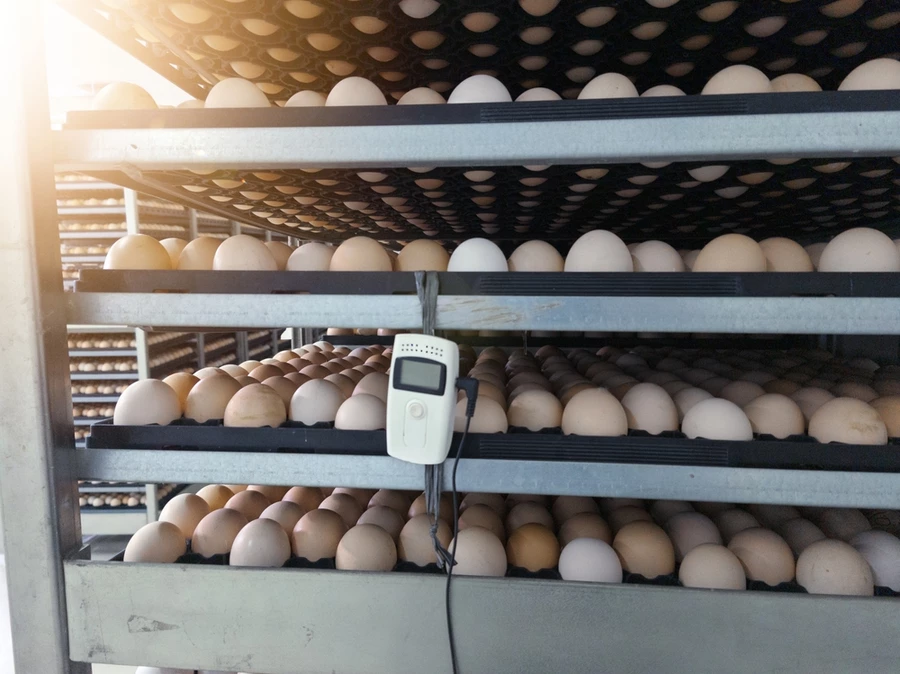
The Role of Data Loggers in Food Safety Compliance
Temperature data loggers serve as a core tool for maintaining food safety compliance across the supply chain. They provide continuous visibility into environmental conditions — something manual processes can’t reliably achieve.
Continuous temperature monitoring ranks among their primary benefits. Instead of relying on periodic checks, organizations can track conditions at every stage of storage and transit. This reduces the risk of undetected temperature excursions and helps maintain consistent compliance.
Data loggers also support HACCP programs by monitoring critical control points. These are the stages where temperature deviations are most likely to create safety risks. With accurate, time-stamped data, teams can identify issues early and take corrective action before products are compromised.
Another key advantage is the ability to generate verifiable audit trails. Data loggers automatically record and store information, which can then be exported into clear, standardized reports. This simplifies regulatory inspections and reduces the administrative burden on quality assurance teams.
Finally, data loggers improve traceability across the supply chain. They provide a transparent record of environmental conditions from origin to destination. They help organizations demonstrate accountability and maintain control over product quality.
Advanced Solutions: Wireless and Specialized Data Loggers
As supply chains become more complex, many organizations are adopting advanced monitoring solutions to improve visibility and responsiveness.
Wireless data loggers offer real-time access to temperature data. These devices transmit information continuously, allowing teams to monitor shipments remotely. If temperatures move outside acceptable ranges, users can receive instant alerts — enabling faster intervention and reducing potential losses.
In some applications, temperature alone isn’t enough. Humidity data loggers track moisture levels alongside temperature, which is especially important for products sensitive to condensation or packaging degradation. By monitoring both variables, organizations can better protect product integrity.
For frozen and ultra-low temperature shipments, dry ice data loggers are ideal. These devices can withstand very low temperatures while maintaining accuracy.
Benefits for Food Industry Professionals
Implementing data loggers provides several operational and compliance advantages for food industry professionals.
First, they increase confidence in food safety compliance. With accurate, automated records, organizations can demonstrate that they meet regulatory requirements at every link in the supply chain.
They also help reduce product loss. By identifying temperature deviations early, teams can take corrective action before products spoil — minimizing waste and financial impact.
Further, data loggers improve efficiency. Automated monitoring reduces the need for manual checks and streamlines documentation processes. This allows teams to focus on higher-value tasks rather than routine data collection.
Last but not least, reliable temperature monitoring strengthens brand protection. Consistently delivering safe, high-quality products builds trust with customers and partners — an essential factor in competitive food markets.
Best Practices for Implementing Data Loggers
Start by selecting the right device for your application. Factors such as temperature range, shipment duration, and product sensitivity will determine whether a standard, wireless, or specialized logger is the best fit.
Proper placement is also critical. Loggers should be positioned where they can accurately reflect product conditions — not just ambient air temperature. This ensures the data collected is meaningful and actionable.
Regular calibration helps maintain accuracy over time. Organizations should also review collected data consistently to identify trends and address potential issues before they escalate.
Finally, integrating data logger outputs into existing compliance systems can improve efficiency. When monitoring data aligns with quality and regulatory processes, teams can respond more quickly and maintain better control.
Strengthening Food Safety Compliance with Reliable Temperature Monitoring
As regulatory requirements continue to evolve, organizations need reliable tools that provide consistent, verifiable data.
Temperature data loggers meet this need by delivering accurate, automated records that support compliance, traceability, and risk management. They give organizations greater control over product conditions from origin to destination.
Food industry professionals must evaluate current monitoring practices and identify any gaps in visibility or documentation. Advanced solutions — like wireless data loggers, humidity data loggers, and dry ice data loggers — can strengthen compliance strategies and protect product integrity in increasingly demanding environments.


