
Understanding the Power of a Temperature and Humidity Data Logger
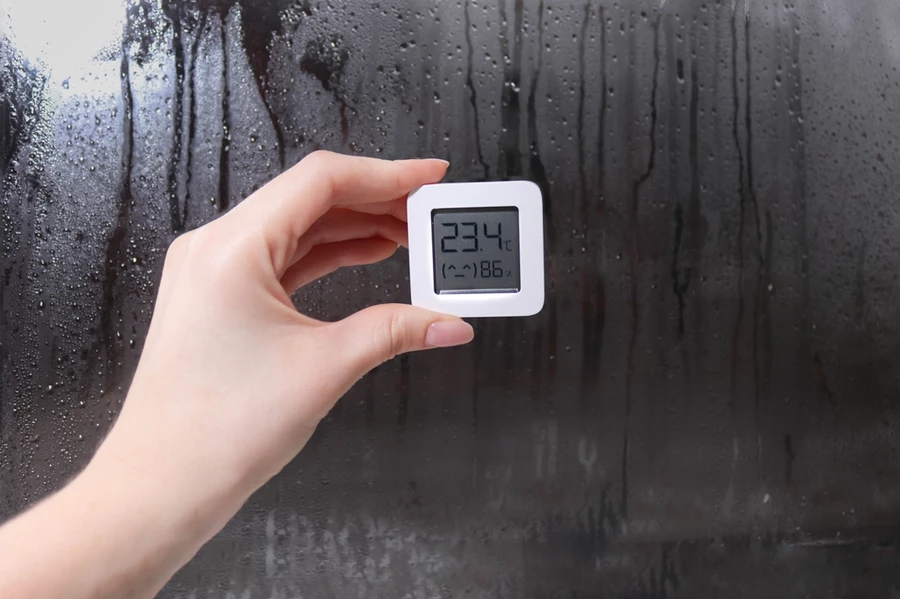
Humidity surges can be just as damaging as temperature extremes. This blog explains why continuous environmental monitoring with humidity data logger is essential. It protects product quality, helps ensure compliance, and reduces preventable losses.
- Humidity directly impacts product stability, packaging integrity, and shelf life across pharma, healthcare, and food logistics.
- Humidity data loggers provide continuous, time-stamped visibility that manual checks can’t deliver
- High-temperature, and dry ice loggers all help manage moisture risk across complex environments.
- Accurate humidity data supports regulatory compliance and audit readiness.
- Choosing a humidity-focused data logger for your specific application involves multiple factors.
In today’s global supply chains, environmental control isn’t a “nice-to-have”. It’s necessary. Pharmaceuticals, biologics, medical devices, and perishable foods all depend on stable conditions to maintain quality, safety, and compliance. Even minor deviations in temperature or moisture can lead to product degradation, regulatory risk, and costly losses.
While temperature often gets the most attention, humidity plays an equally critical role. Excess moisture can compromise packaging, encourage microbial growth, and shorten shelf life. This often happens without visible warning signs.
In response, logistics and quality professionals increasingly turn to advanced monitoring solutions that track both variables simultaneously. A humidity data logger provides continuous, time-stamped insight into environmental conditions throughout storage and transit.
Unlike manual checks or basic thermometers, it delivers objective data that can be reviewed, reported, and audited with confidence. By combining accuracy with automation, modern data loggers help teams react faster and more proactively if problems arise.
What is a Temperature and Humidity Data Logger?
A temperature and humidity data logger continuously measures and records environmental conditions over time. Instead of relying on periodic manual inspection, these devices capture data at predefined intervals. This creates a complete and traceable record of exposure throughout storage or transit.
Unlike traditional thermometers or basic sensors, a data logger doesn’t just show what’s happening in the moment. The device also uses timestamps and secure data storage to document what’s happened and when. Later review can confirm whether environmental conditions remained within acceptable limits.
Modern temperature and humidity data loggers are compact, accurate, and easy to deploy. They’re commonly placed inside shipments, storage units, or controlled environments to monitor conditions without disrupting operations. After monitoring, users can download device data or possibly even convert it into a report.
This level of visibility is critical for logistics and quality teams. It removes guesswork about environmental conditions and makes personnel less dependent on manual intervention.
The Role of Humidity in Product Integrity
Humidity is one of the most underestimated variables in environmental monitoring. While temperature fluctuations are more obvious, excess moisture can cause gradual damage that’s hard to detect.
In pharmaceutical and healthcare applications, uncontrolled humidity can compromise drug stability, degrade active ingredients, and affect the performance of medical devices. Packaging materials like blister packs, labels, and inserts are also very sensitive to moisture. If they fail, product integrity and traceability are put at risk.
The food industry faces similar challenges. Elevated humidity can accelerate spoiling, promote mold growth, and change texture or taste. Even when temperatures remain within range, moisture exposure alone can render a product unsaleable.
This is where a humidity data logger proves its value. By continuously tracking moisture and temperature, it provides visibility into conditions that might otherwise go unnoticed.
Teams gain clear, time-stamped data that shows exactly when and where humidity thresholds were exceeded (if they were). They can correct errors faster, make more informed decisions, and avoid preventable losses more often.

How Data Loggers Improve Temperature Monitoring Accuracy
Accurate temperature monitoring isn’t just about knowing current conditions. It’s also an issue of understanding the full environmental story from start to finish. That’s where data loggers offer a clear advantage over manual checks and traditional measurement tools.
Manual temperature readings provide only a snapshot in time. If there’s temperature volatility occurs between checks, it may go completely unnoticed. A data logger, on the other hand, records temperatures consistently, creating a continuous and reliable data set.
There are no gaps, no assumptions, and no reliance on human availability. This lowers the risk of human error. Readings aren’t missed, misrecorded, or subjectively misinterpreted.
Every data point is automatically captured and timestamped. That makes it easy to identify when a deviation happened and how long it lasted.
Such accuracy supports faster root-cause analysis for logistics teams. It also simplifies investigations and enables corrective actions before small problems get out of hand.
Most importantly, this technology provides confidence. Team members know that temperature conditions were monitored properly. They’ll also be confident that the data can stand up to internal reviews or external audits.
Advanced Data Logger Technologies: Addressing Humidity Across Complex Environments
Modern supply chains expose products to far more than temperature risks. Changes in moisture levels can be just as damaging, especially when shipments move through multiple climates and handling points.
Data Loggers and Humidity Visibility
Data loggers have significantly improved how teams monitor humidity across the supply chain. Instead of discovering moisture exposure after delivery, wireless connectivity allows users to access humidity data remotely. They can then respond faster when levels drift outside acceptable limits.
This is especially valuable when shipments pass through high-humidity regions or uncontrolled transfer points. By tracking humidity continuously, teams can identify trends, intervene earlier, and prevent prolonged exposure that could compromise packaging, labeling, or product stability.
Monitoring Humidity in High-Heat Environments
High temperatures often amplify humidity-related risks. Warm air can hold more moisture. This raises the chances of condensation, corrosion, or material degradation.
This is critical in applications such as sterilization processes, industrial storage, or transport through hot climates. In such situations, temperature and humidity must remain stable to protect product quality.
Managing Humidity Risks in Dry Ice Shipments
Dry ice shipments also come with unique humidity challenges. Rapid temperature changes during handling can lead to condensation. Meanwhile, carbon dioxide sublimation may affect sensor performance if devices aren’t designed for these conditions. Such insight is essential for protecting secondary packaging, labels, and documentation.
Humidity Data Loggers and Compliance
A humidity data logger provides objective, time-stamped records that clearly show how moisture levels behaved over time. As such, it’s ideal for compliance. Teams can present concrete, accurate data during audits or inspections.
Automated reporting further simplifies this process by using clear humidity graphs, excursion flags, and downloadable reports. The result is stronger compliance and greater confidence in environmental controls.
Choosing the Right Humidity Data Logger
Selecting the right humidity monitoring tool starts with understanding how sensitive your products and packaging are to moisture exposure.
Key considerations include humidity range, sensor accuracy, response time, and overall durability. Long transit routes, climate transitions, and high-risk handling points all increase the need for dependable humidity monitoring.
Ultimately, users of these tools need trustworthy recorded data that reflects real-world conditions. The right humidity data logger helps support better decisions and stronger risk control.


